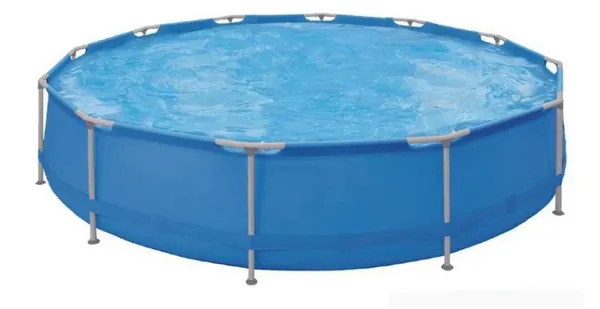

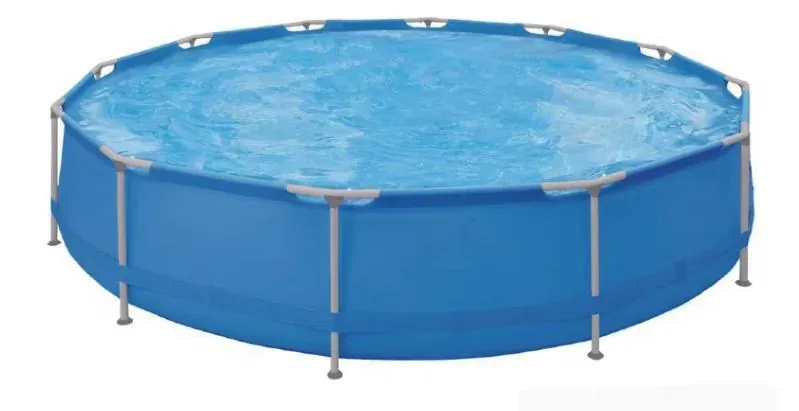
 Metal Frame Pools
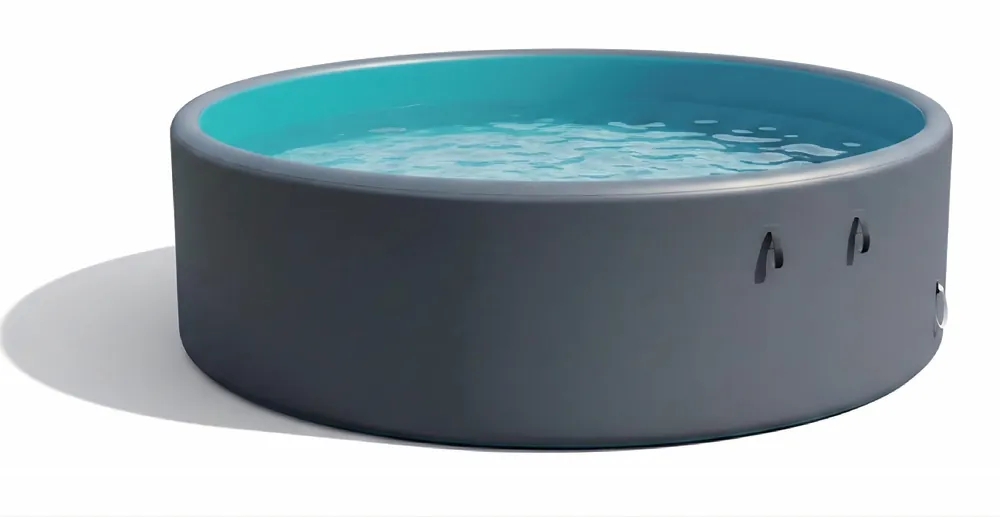 Drop-Stitch Inflatable Pools
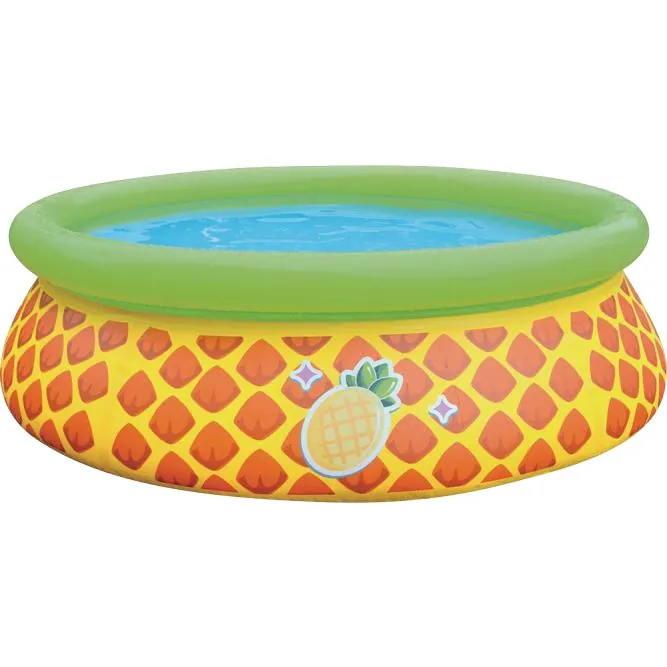 Kids' Pools
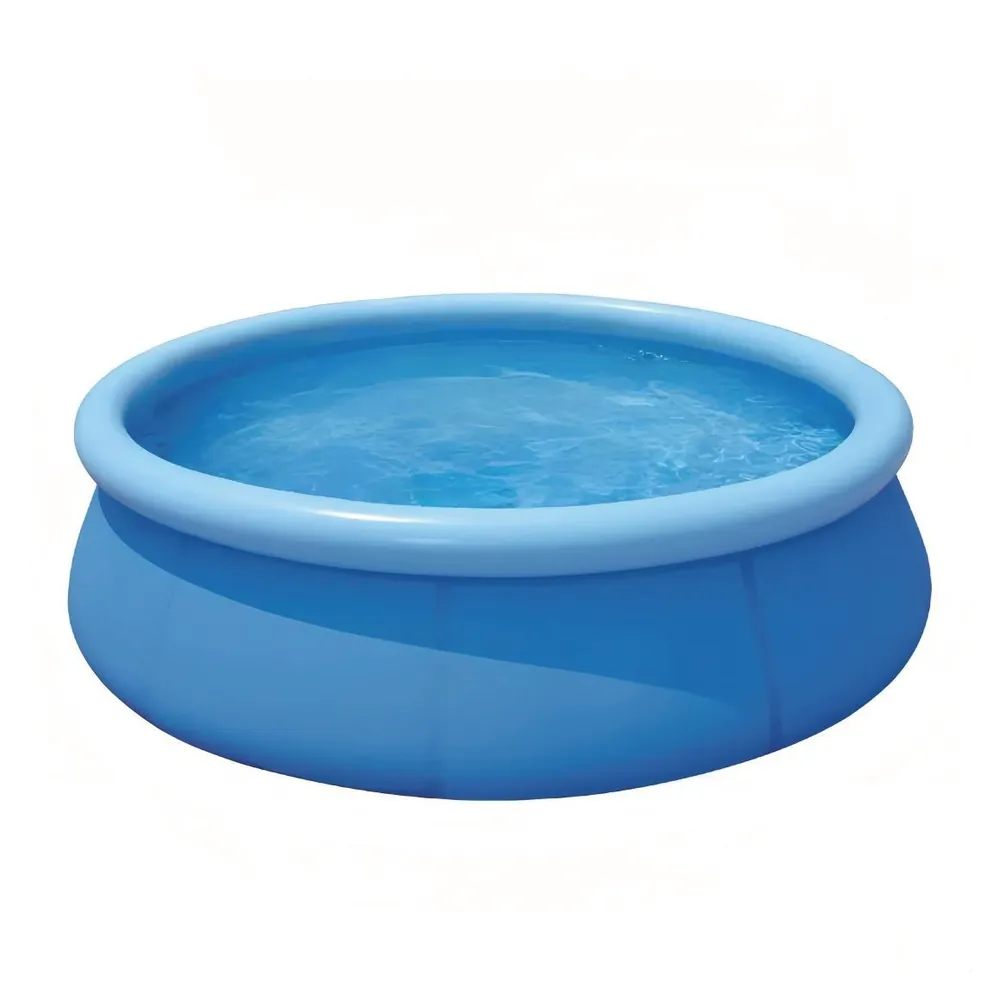 Top Ring Pools
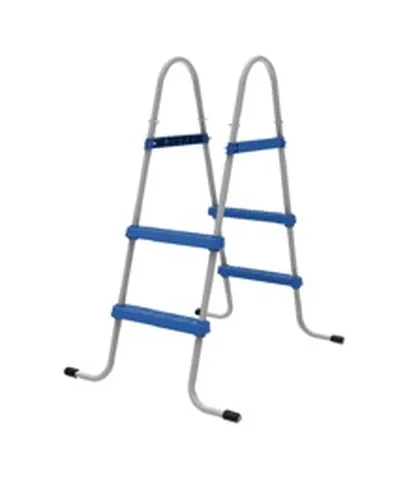 Pool Accessories
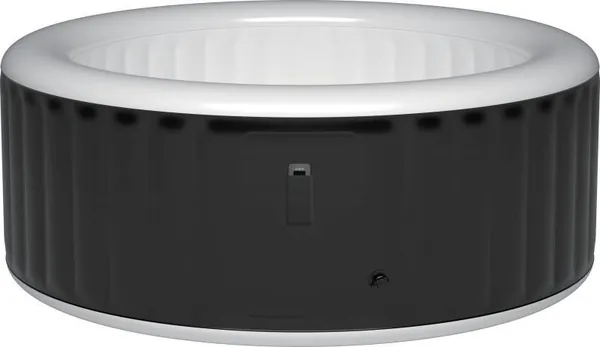
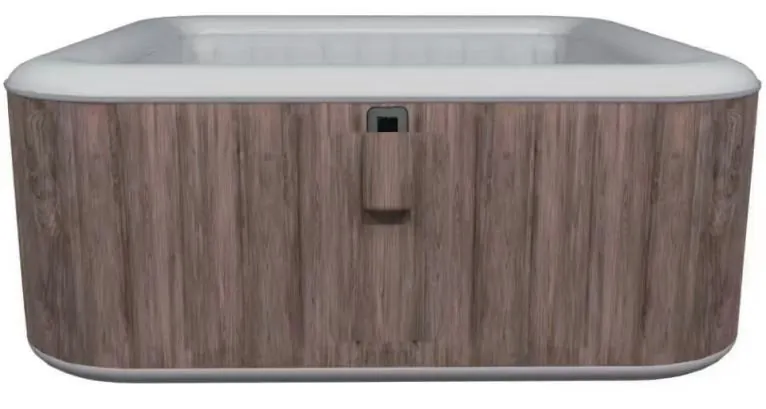 SPAs with Built-in Pumps
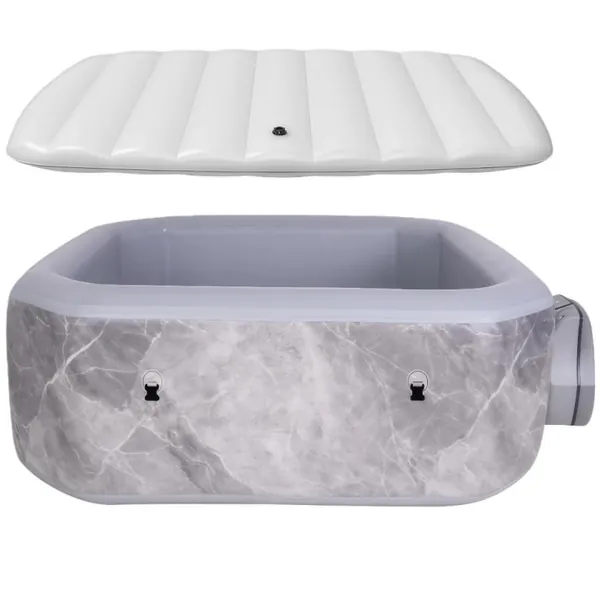 SPAs with External Pumps
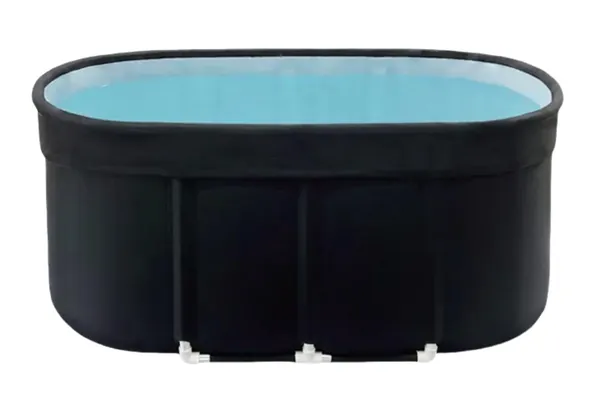
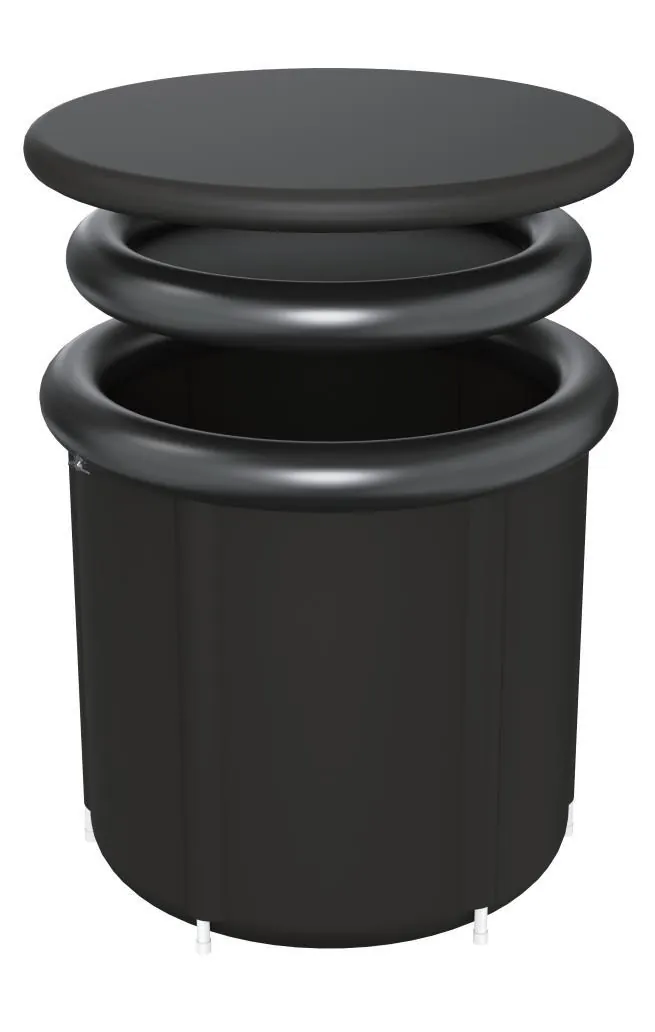 Portable Ice Bath Tubs
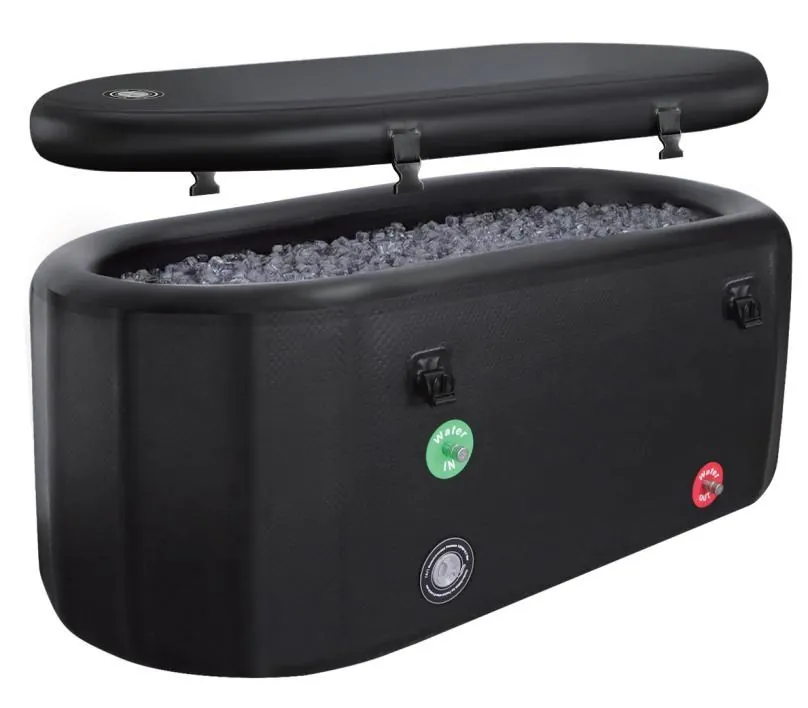 Inflatable Ice Baths
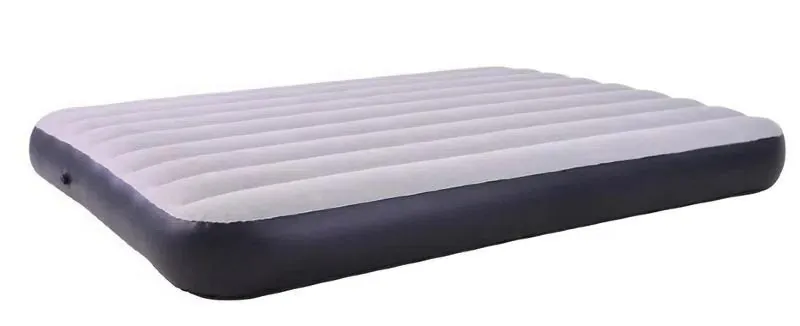
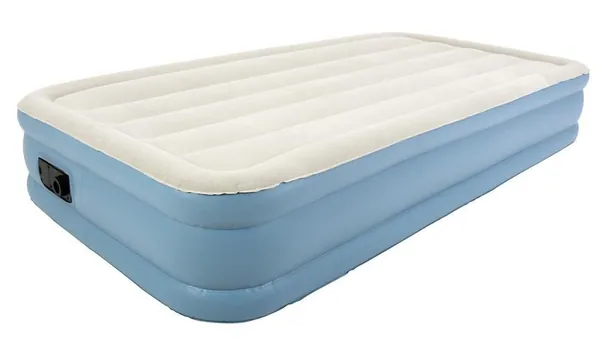
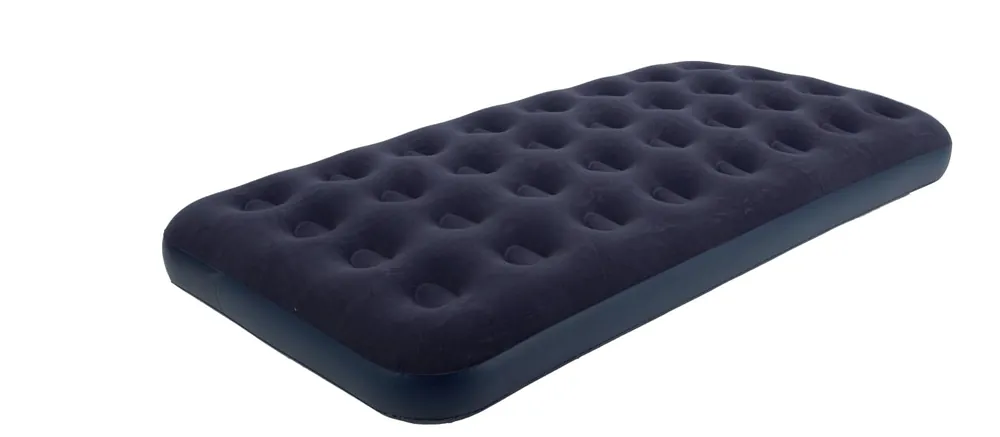 Classic Air Mattresses
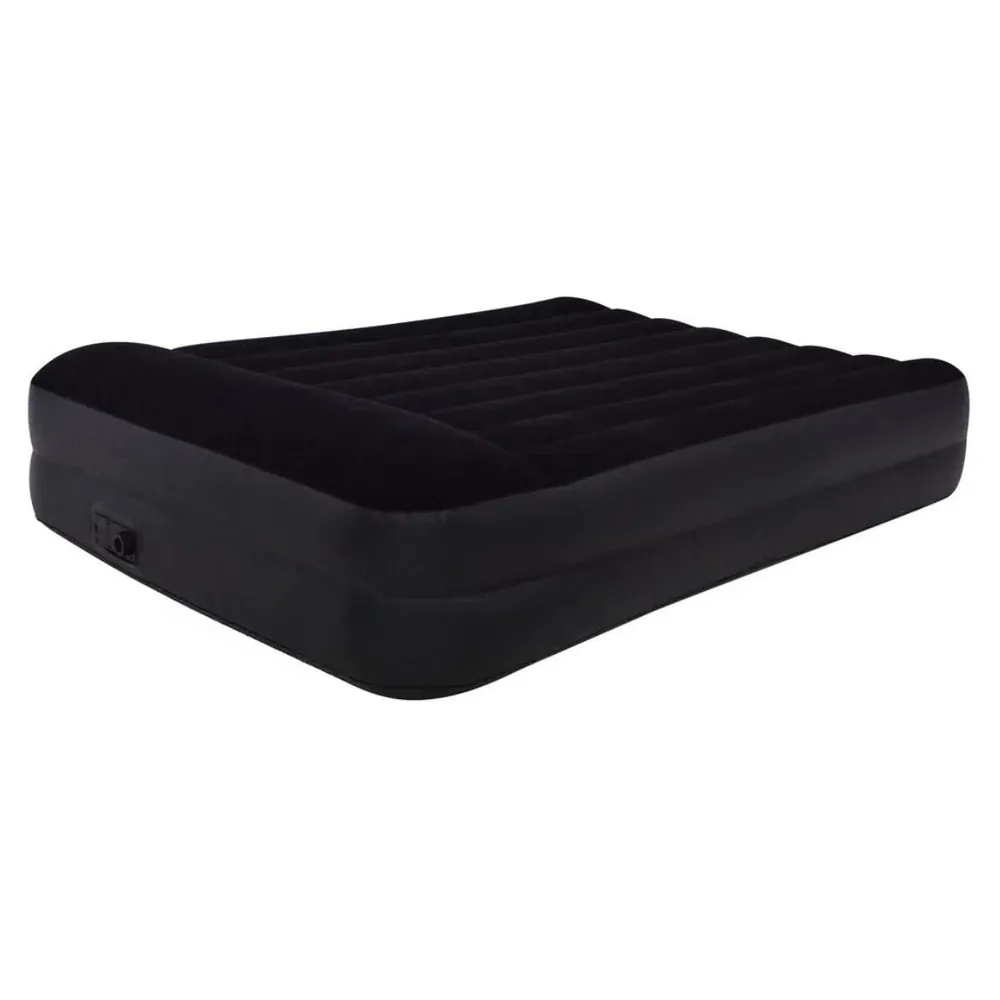
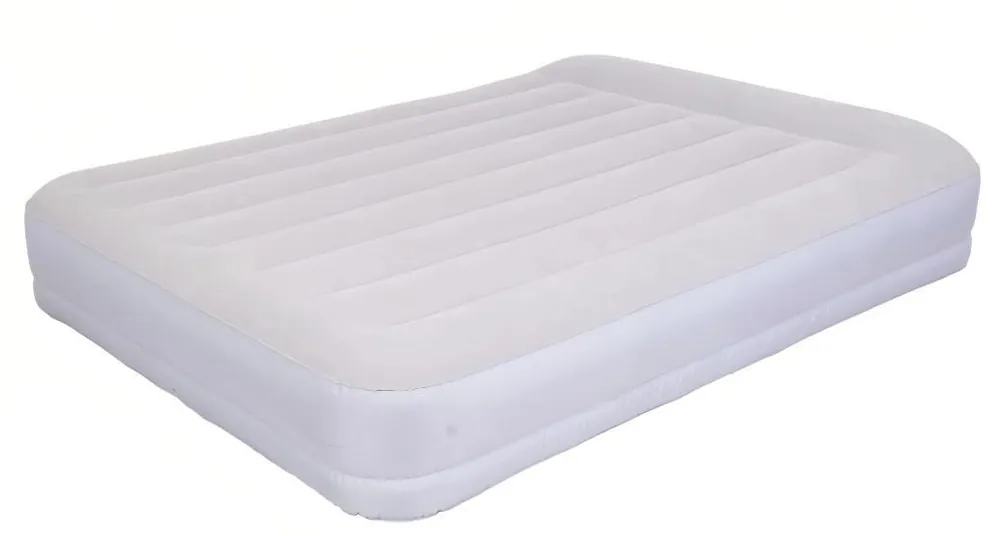 Raised Air Mattresses
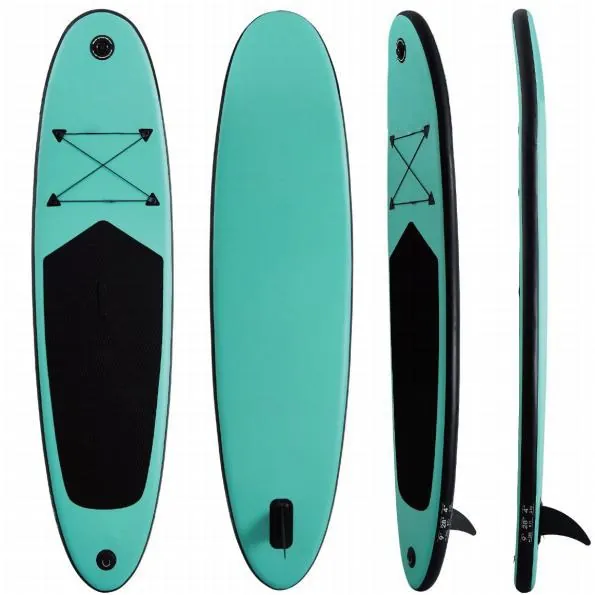
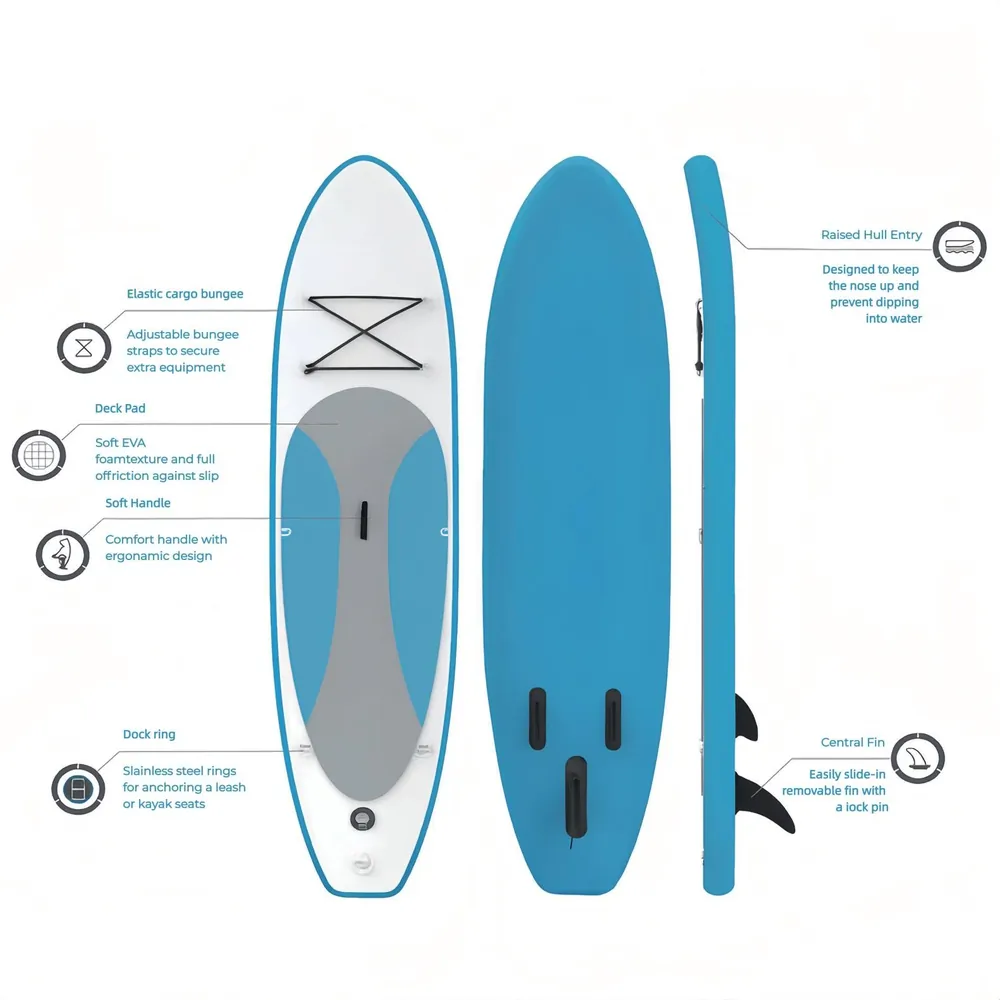 All-Around Paddle Boards
 Touring Paddle Boards
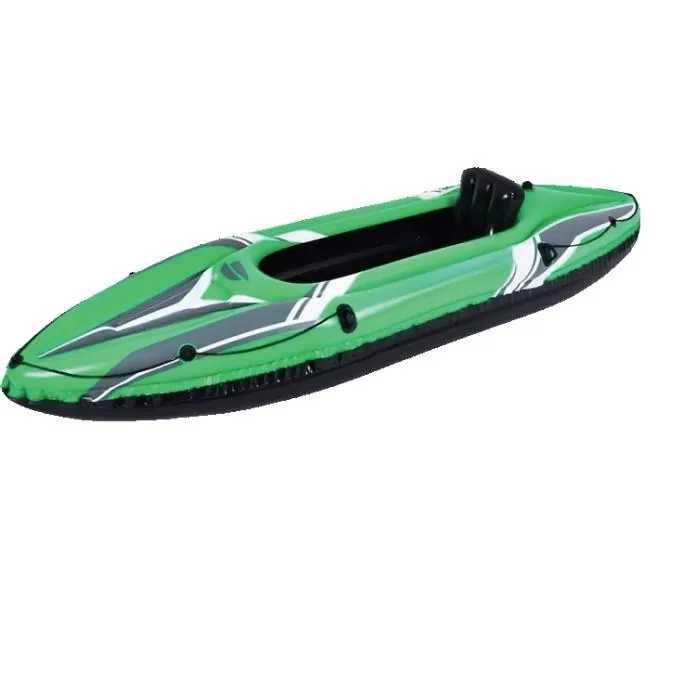 Inflatable Kayaks
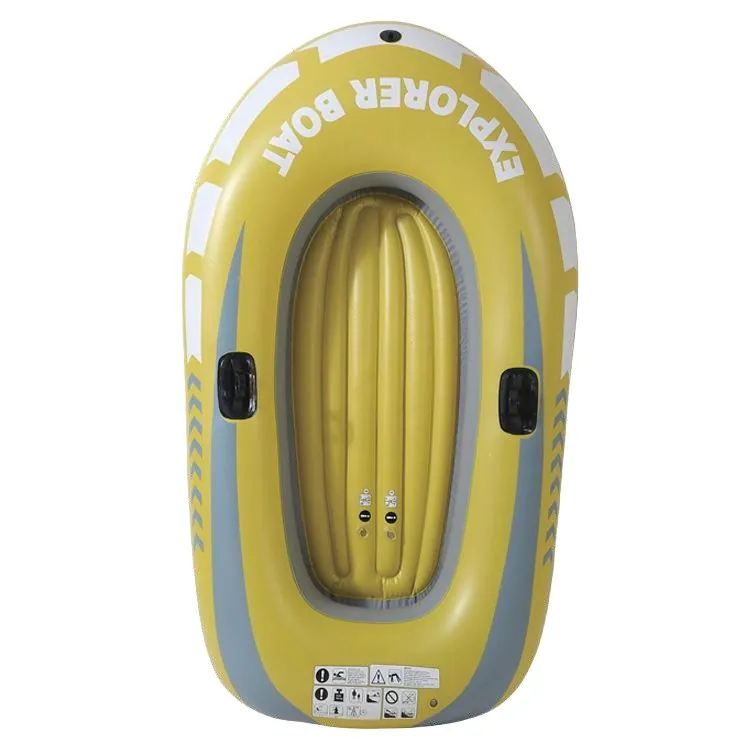 Inflatable Boats
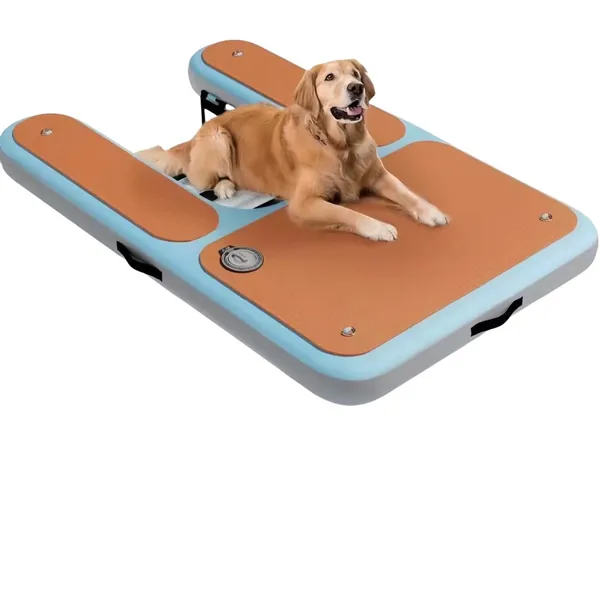
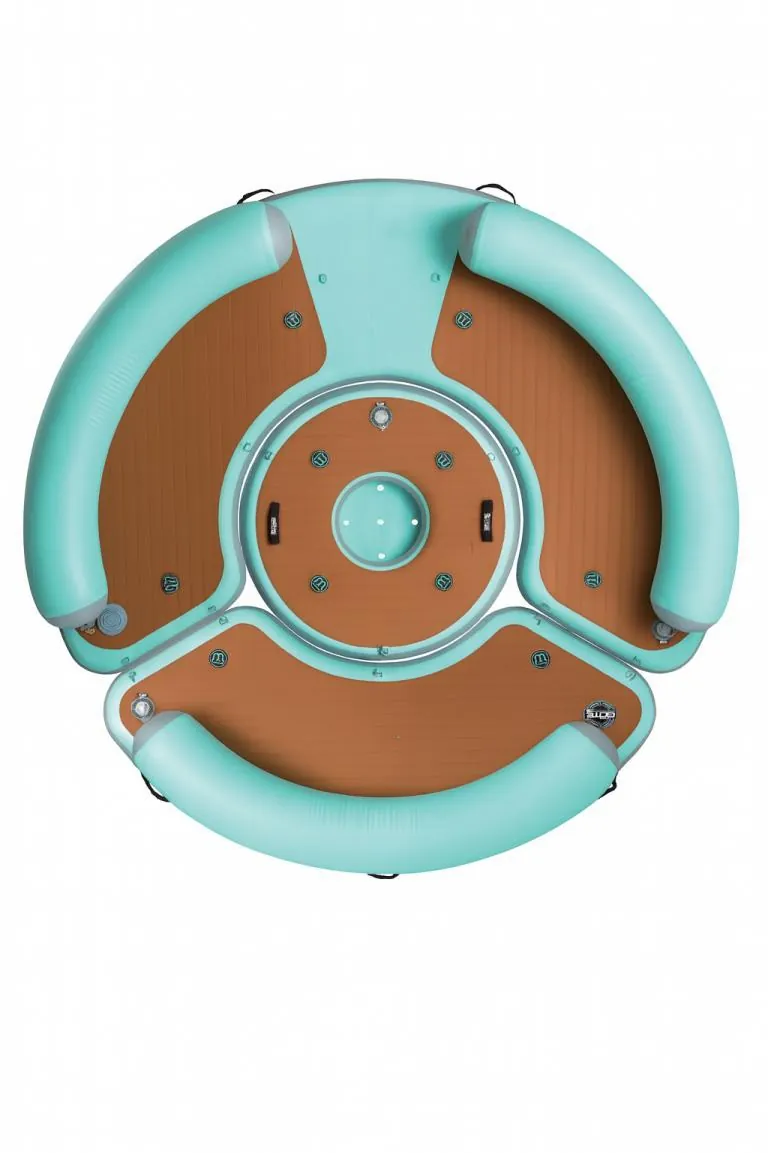 Floating Docks
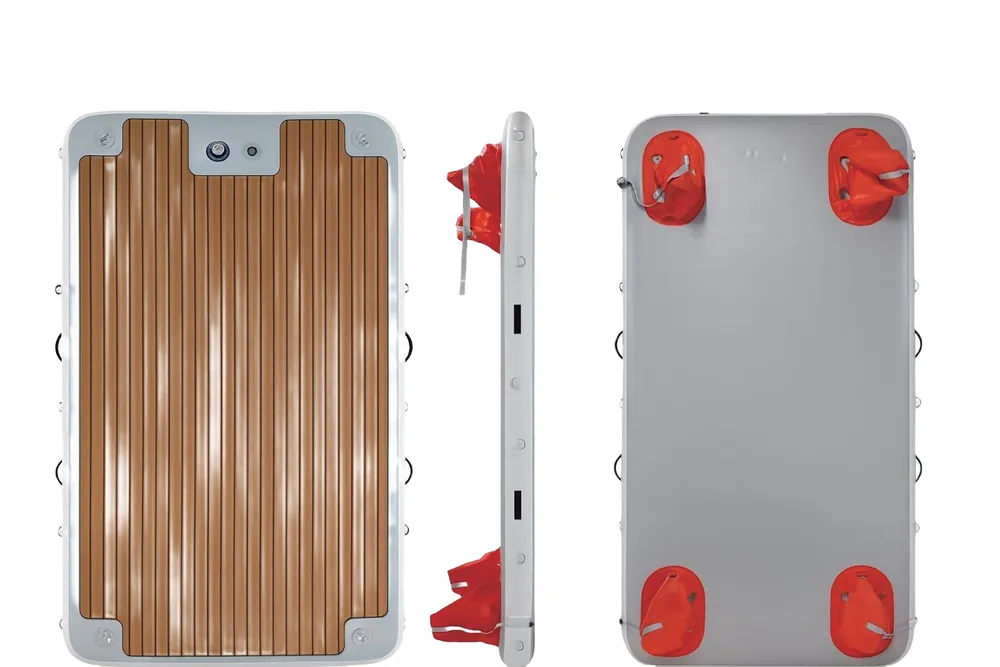 Floating Yoga Mats
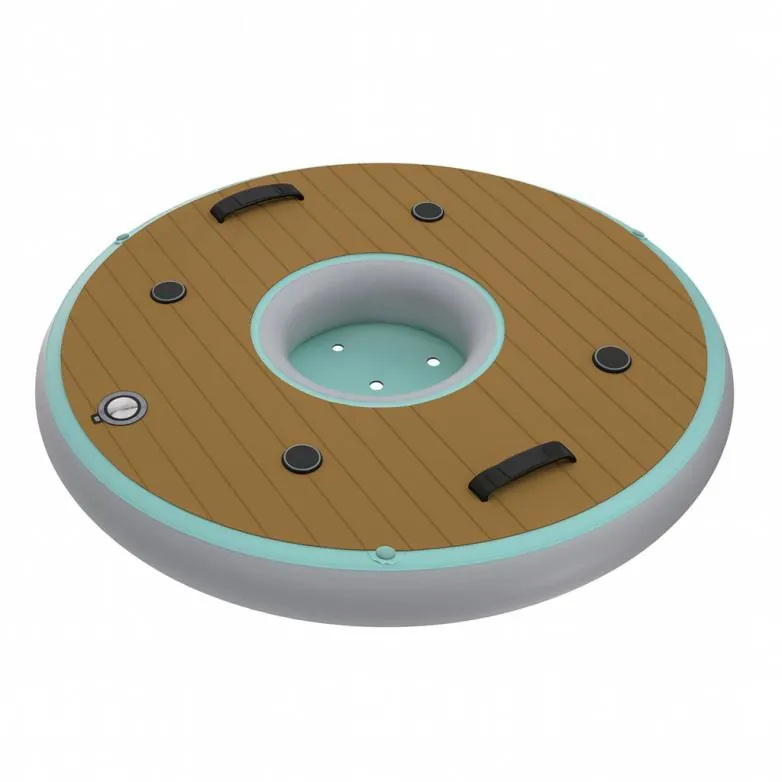 Floating Hammocks & Loungers
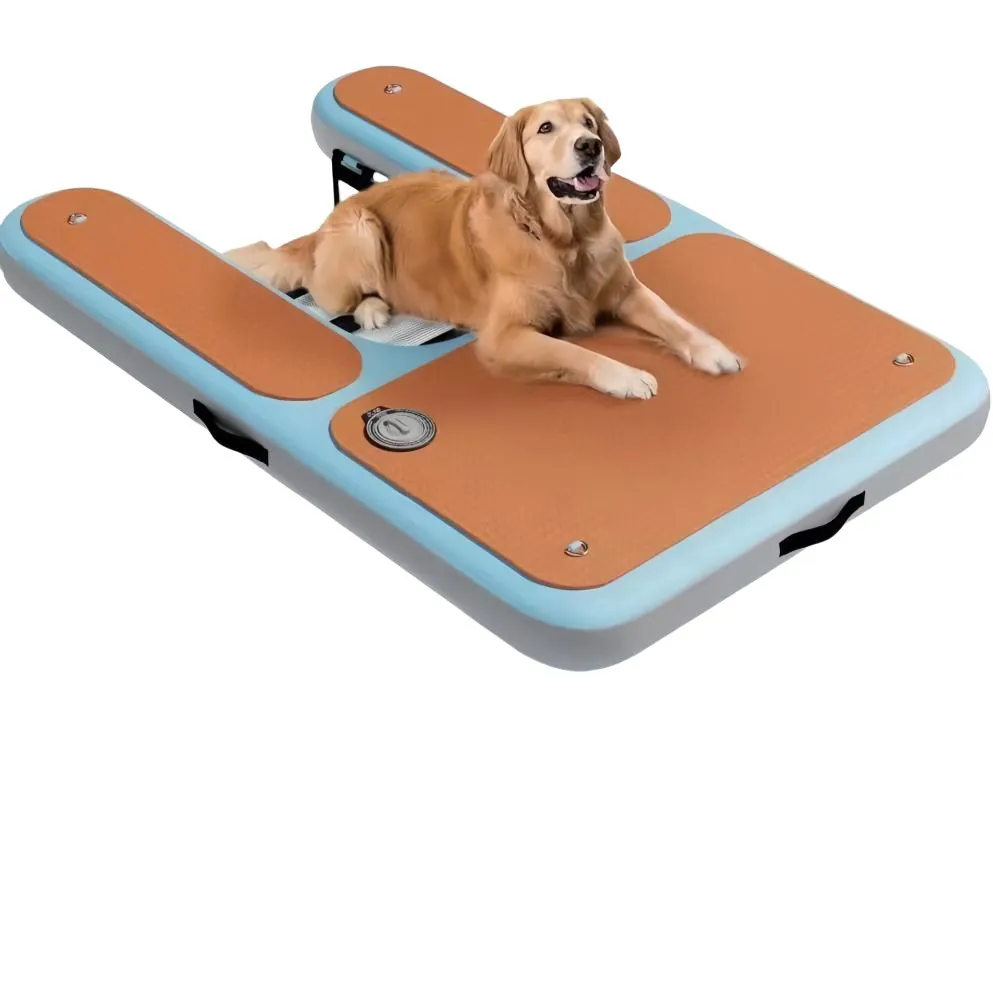 Water Leisure Accessories
 Gymnastics Air Track Mats
 Inflatable Sofas
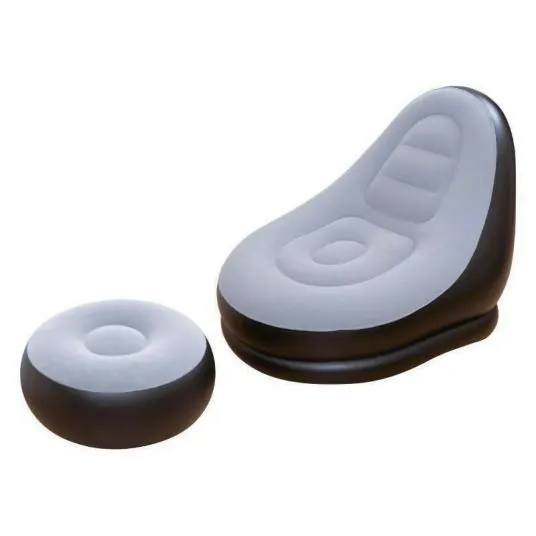
 Inflatable Chairs & Loungers
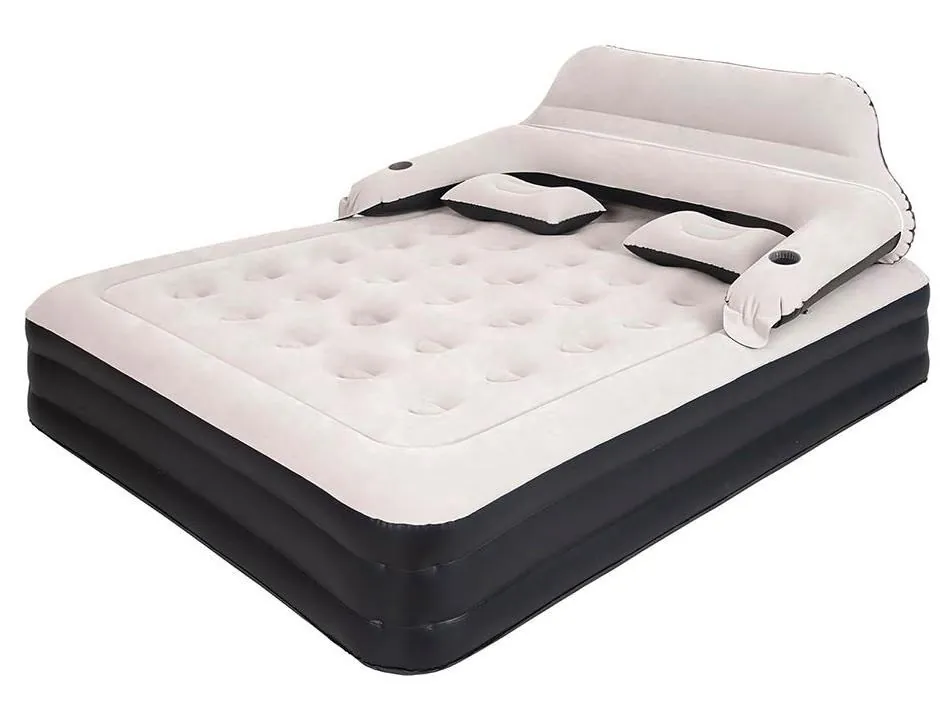
 Inflatable Sofa Beds
 Inflatable Sleeping Pads
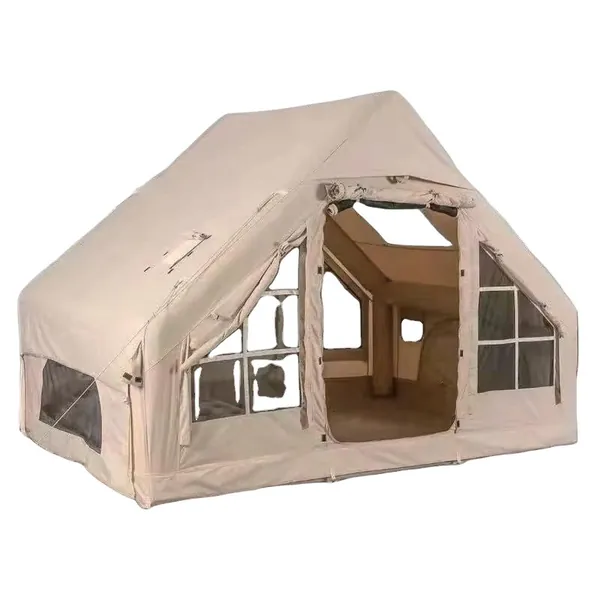
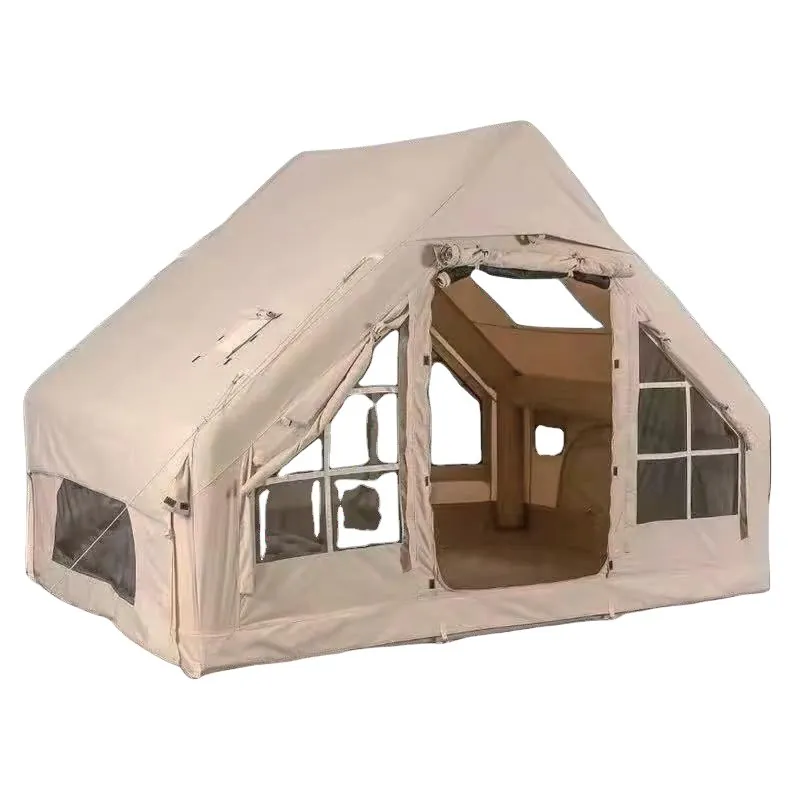 Inflatable Tents
Coil-Beam vs I-Beam Air Mattress: Which Construction Is Better?
Coil-Beam air mattresses use many small vertical air coils inside, which give a flatter, more even surface; I-Beam mattresses use a few long beams, which are simpler and cheaper. On our flat beds a Queen has 48 Coil-Beam chambers versus 8 I-Beams. Choose Coil-Beam for guest and nightly use, and I-Beam for occasional use and entry-price retail.
What is the difference inside?
- Coil-Beam: rows of vertical coils (24 on Single up to 56 on King in our flat range) hold top and bottom together at many points.
- I-Beam: 4–8 long beams run across the bed (Single 4, Queen 8 in our range).
Which is more comfortable?
More attachment points mean less "hammock" effect and less rolling toward the middle, which is why Coil-Beam beds feel flatter. I-Beam beds are fine for a night or two and fold smaller.
Size and capacity options
| Size | Inflated size | Weight capacity | Example model |
|---|---|---|---|
| Single | 191 × 73 × 22 cm (75″ × 29″ × 9″) | 150 kg / 330 lbs | UNI10001 |
| Single | 191 × 76 × 25 cm (75″ × 30″ × 10″) | 150 kg / 330 lbs | UNI10019 |
| Single × 2 | 191 × 73 × 22 cm (75″ × 29″ × 9″) × 2 pcs | 150 kg / 330 lbs each bed | UNI10006 |
| Twin | 191 × 99 × 22 cm (75″ × 39″ × 9″) | 150 kg / 330 lbs | UNI10002 |
| Twin | 191 × 99 × 25 cm (75″ × 39″ × 10″) | 150 kg / 330 lbs | UNI10016 |
| Twin | 191 × 99 × 30 cm (75″ × 39″ × 12″) | 150 kg / 330 lbs | UNI10023 |
| Twin | 195 × 96 × 46 cm (77″ × 38″ × 18″) | 150 kg / 330 lbs | UNI10028 |
| Twin | 196 × 96 × 46 cm (77″ × 38″ × 18″) | 150 kg / 330 lbs | UNI10033 |
| Twin | 191 × 99 × 33 cm (75″ × 39″ × 13″) | 150 kg / 330 lbs | UNI10030 |
| Twin | 191 × 99 × 46 cm (75″ × 39″ × 18″) | 150 kg / 330 lbs | UNI10031 |
| Twin | 191 × 99 × 46 cm (75″ × 38″ × 18″) | 150 kg / 330 lbs | UNI10038 |
| Twin | 198 × 103 × 43 cm (78″ × 40.5″ × 17″) | 150 kg / 330 lbs | UNI10040 |
| Twin | 198 × 101 × 46/94 cm | 150 kg / 330 lbs | UNI10043 |
| Double | 191 × 137 × 22 cm (75″ × 54″ × 9″) | 300 kg / 661 lbs | UNI10003 |
| Double | 191 × 137 × 25 cm (75″ × 54″ × 10″) | 300 kg / 661 lbs | UNI10017 |
| Double | 191 × 137 × 30 cm (75″ × 54″ × 12″) | 300 kg / 661 lbs | UNI10024 |
| Queen | 203 × 152 × 22 cm (80″ × 60″ × 9″) | 300 kg / 661 lbs | UNI10004 |
| Queen | 203 × 152 × 25 cm (80″ × 60″ × 10″) | 300 kg / 661 lbs | UNI10018 |
| Queen | 203 × 152 × 30 cm (80″ × 60″ × 12″) | 300 kg / 661 lbs | UNI10025 |
| Queen | 203 × 152 × 36 cm (80″ × 60″ × 14″) | 300 kg / 661 lbs | UNI10026 |
| Queen | 203 × 152 × 46 cm (80″ × 60″ × 18″) | 300 kg / 661 lbs | UNI10029 |
| Queen | 194 × 147 × 43 cm (76″ × 58″ × 17″) | 300 kg / 661 lbs | UNI10041 |
| Queen | 203 × 152 × 46/94 cm | 300 kg / 661 lbs | UNI10044 |
| King | 203 × 183 × 22 cm (80″ × 72″ × 9″) | 300 kg / 661 lbs | UNI10005 |
| King | 211 × 183 × 43 cm (83″ × 72″ × 17″) | 300 kg / 661 lbs | UNI10042 |
From the UNIFUN 2027 catalog.
Which should a retailer stock?
Most ranges carry both: I-Beam flocked beds at the opening price point and Coil-Beam beds, raised beds and foam-top beds in the mid and premium tiers. See all air mattresses.
FAQ
Is Coil-Beam better than I-Beam?
Coil-Beam gives a flatter, more even surface; I-Beam is simpler and cheaper. For nightly or guest use, Coil-Beam is the better choice.
Send us model numbers, quantities and any branding requirements.